Stories of Learning, Curiosity & Compassion
The Girl Who Found Her Voice
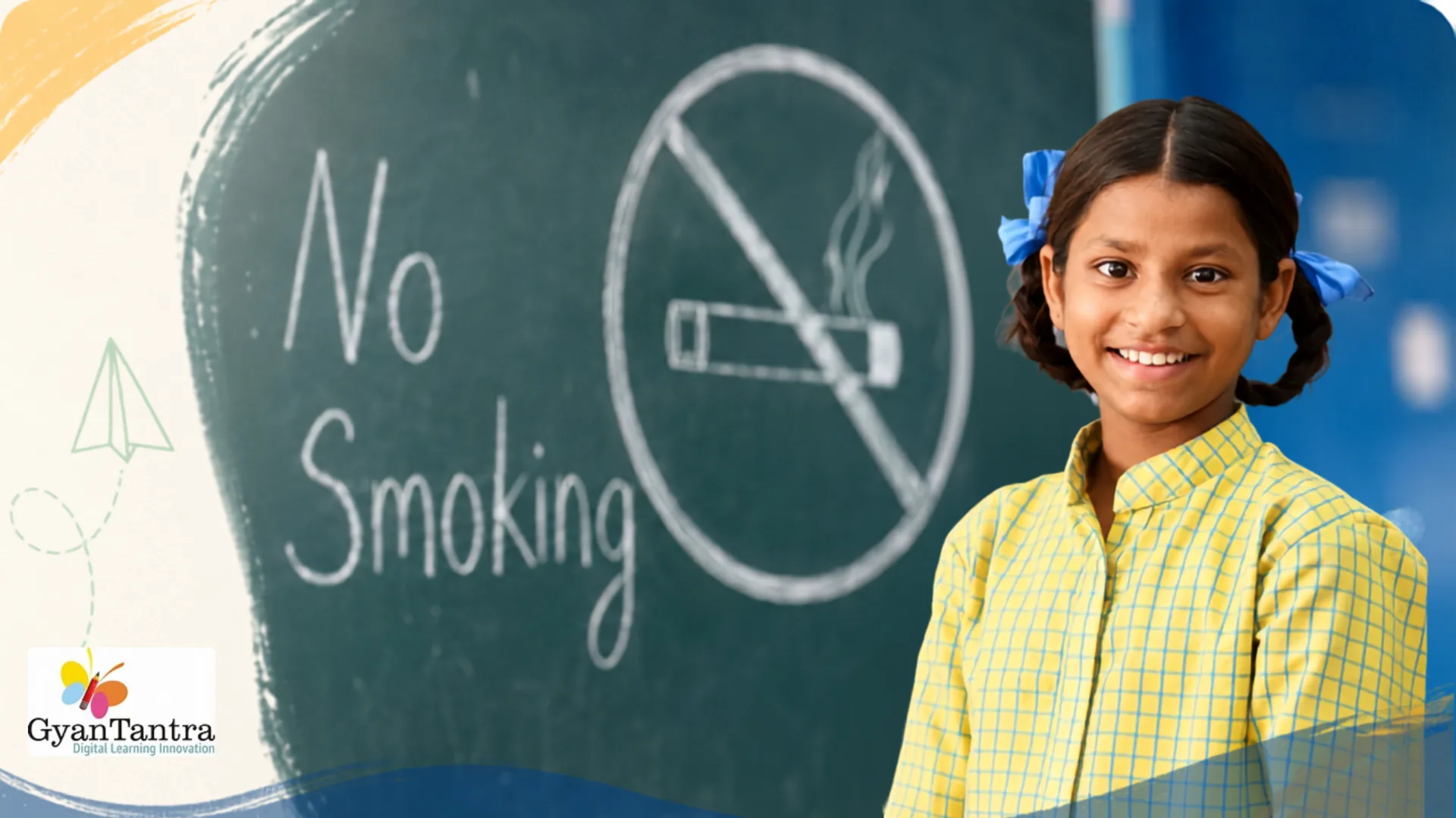
When 11-year-old Anjali stood before her classmates and drew a bold "No Smoking" symbol on the classroom board, few could have imagined that only a few months earlier she barely spoke in class.
The lesson that day at Literacy India's GyanTantra at Bajghera centre was about the harmful effects of smoking. For many children, it ended with the school bell. For Anjali, it was the beginning of a conversation.
She went home and spoke to her parents. She shared the message with neighbours and friends, explaining how smoking harms health and why saying "no" to tobacco can protect families. The next morning, she confidently explained the symbol to her classmates, not because she had memorised a lesson, but because she believed it mattered.
That confidence had not appeared overnight.
When Anjali joined the new academic session, she struggled with reading, writing and concentrating in class. Through patient mentoring, activity-based learning and the constant encouragement of her teachers, she gradually found confidence in her abilities. As her reading improved and her classroom participation increased, so did her academic performance, with her assessment scores rising from 23.5 in the pre-test to 57.5 in the first unit test.
Today, Anjali reads confidently in both Hindi and English, enjoys participating in classroom activities and continues to progress steadily on Literacy India`s GyanTantra
When a child carries learning beyond the classroom and into her home and community, education begins to create lasting change. Anjali found her voice. Today, she is using it to inspire healthier choices, one conversation at a time.
Learning Beyond the Textbook
At Literacy India's Vidyapeeth, learning is driven by curiosity. Science is not limited to theory or textbooks; it is experienced through experimentation, innovation and hands-on exploration that encourages students to think critically and solve real-world problems.
From Scrap to Science
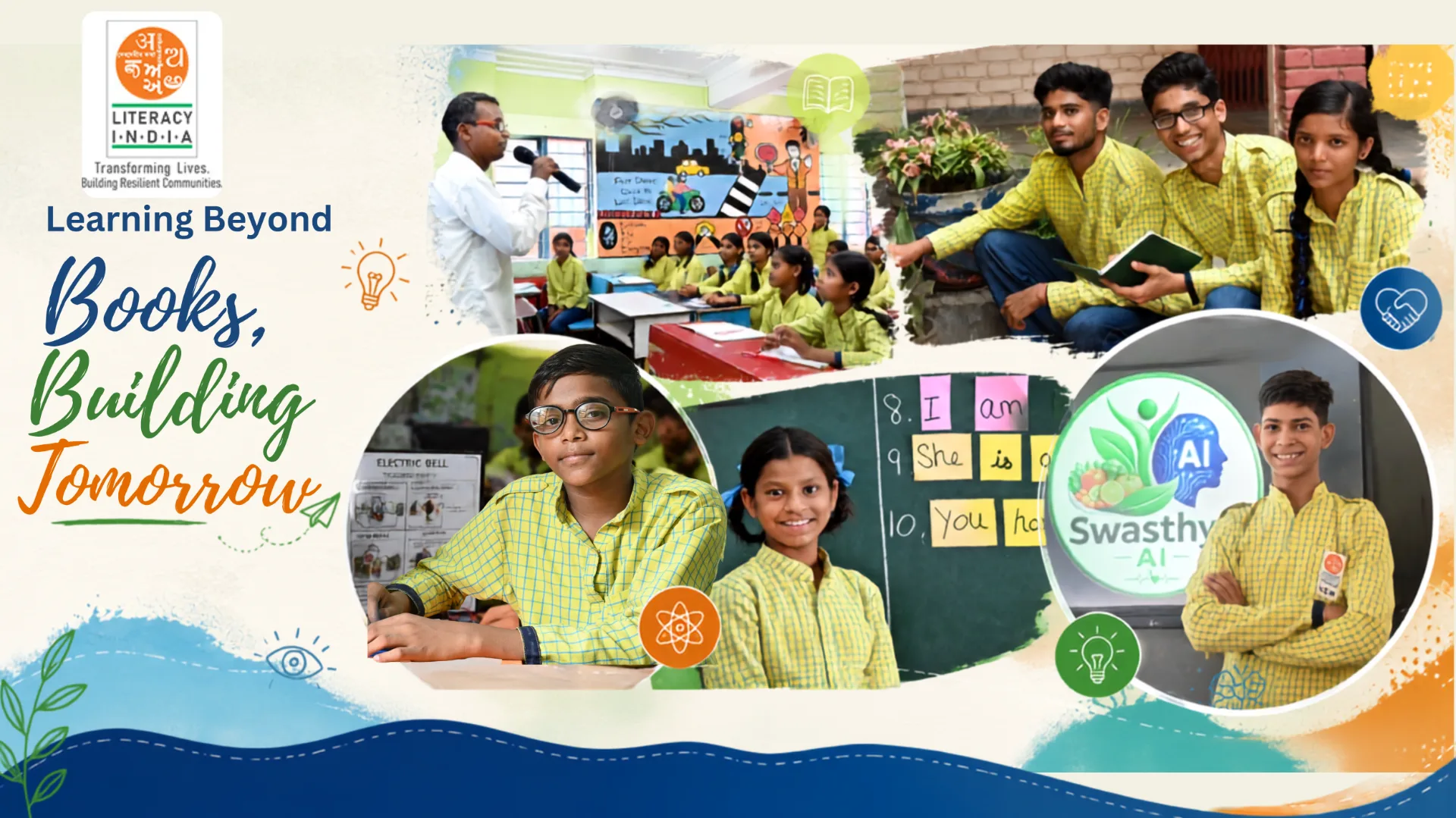
For Class 8 student Sahil, a lesson on the magnetic effect of electric current became an opportunity to innovate. Using discarded materials, he designed and built a working electric bell, proving that creativity and scientific thinking can transform everyday waste into something meaningful. Proud of his achievement, Sahil demonstrated the working model to his family and neighbours, sharing both the science behind the project and the importance of reusing materials in innovative ways.
Young Minds Meet Artificial Intelligence
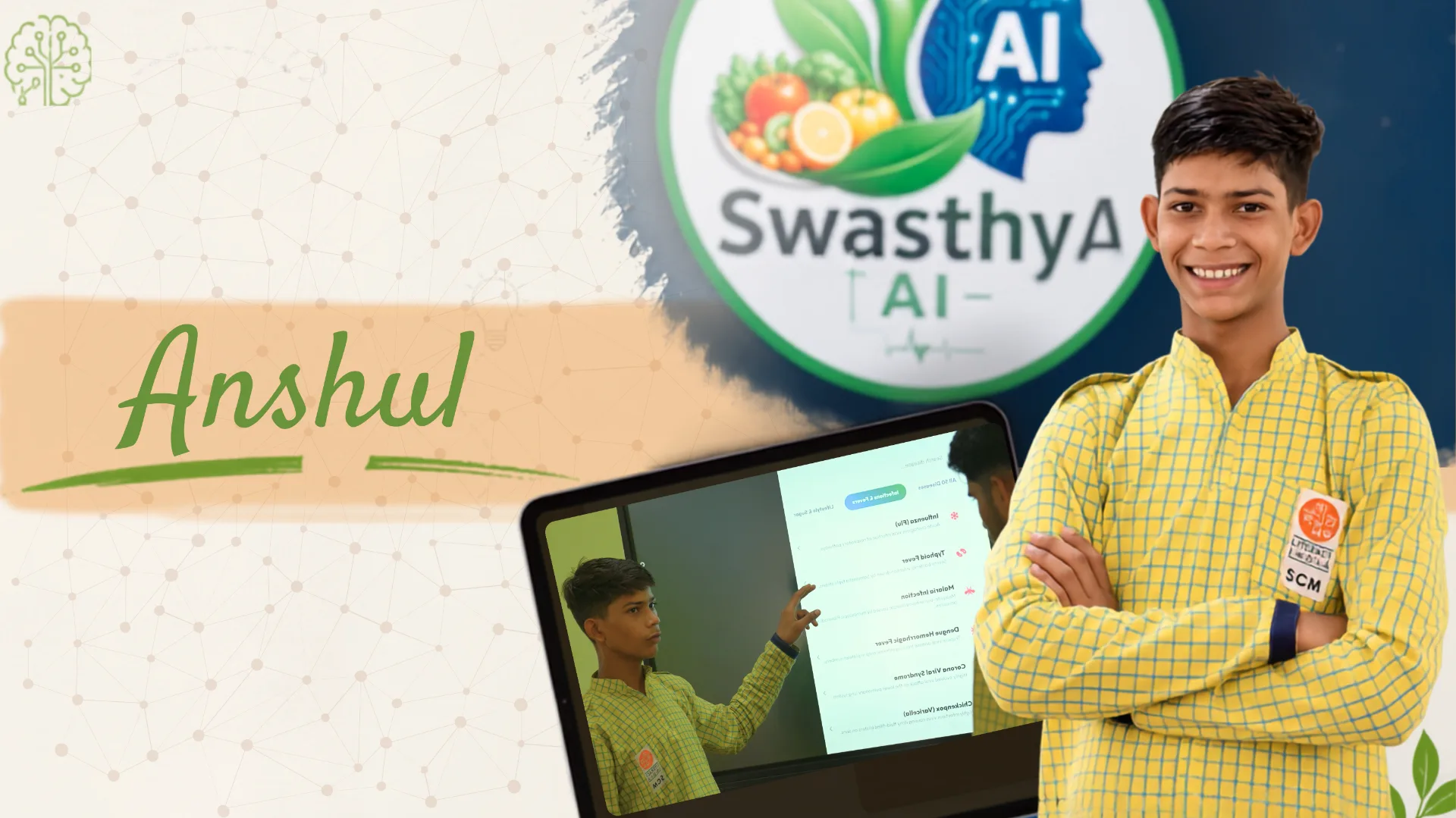
While studying the chapter Health: The Ultimate Treasure, students were encouraged to combine science with technology.
Inspired by the challenge, Anshul developed an AI-based application that classifies diseases into categories such as viral, lifestyle and neurological disorders while providing essential information about each. His project demonstrated how young learners can use emerging technologies to deepen their understanding of science and explore practical solutions for the future.
Digging Deeper into Science
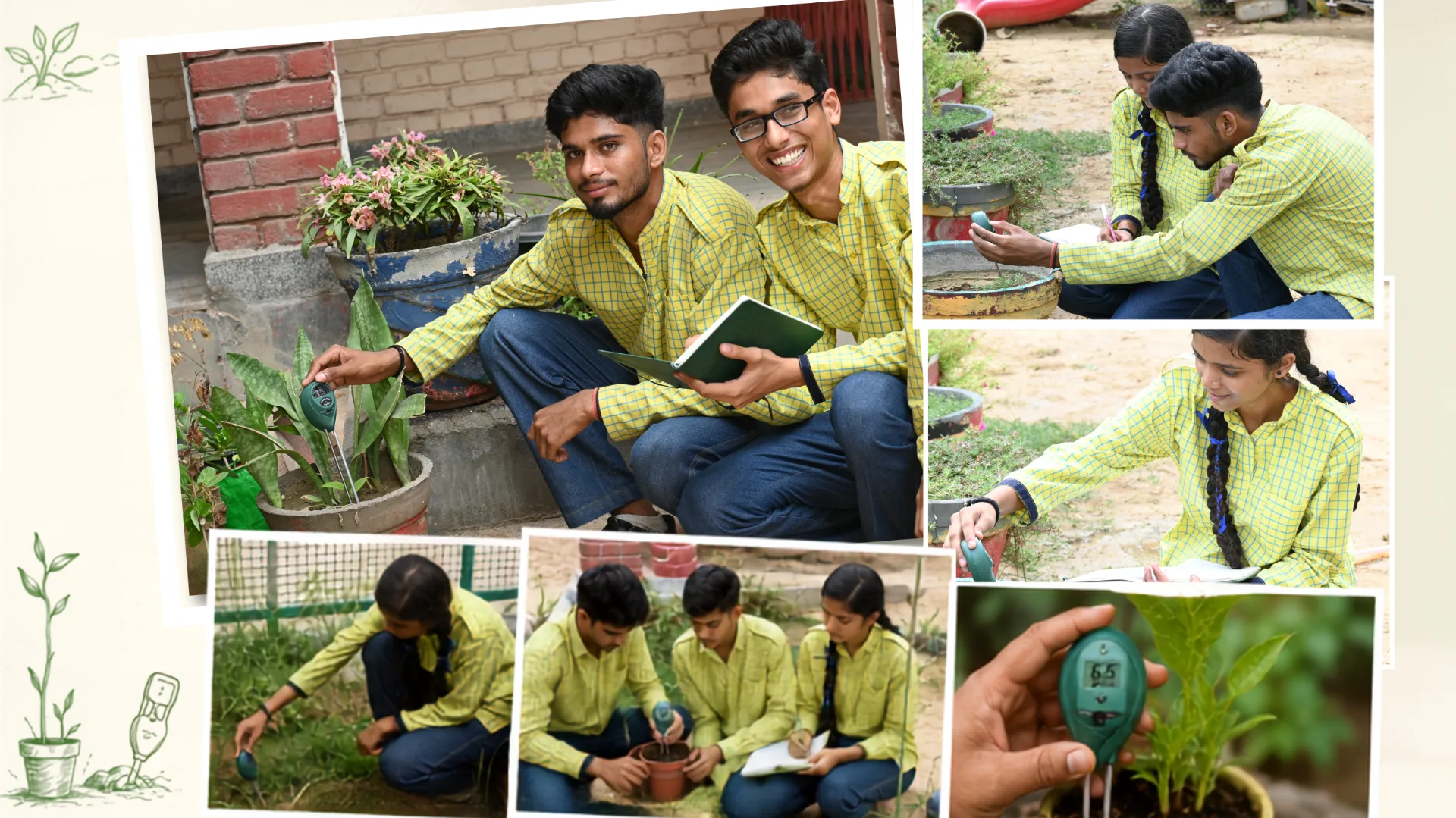
Science came alive beyond the classroom as Class 10 students conducted a practical investigation into soil health using a soil pH meter. Collecting samples from the school garden and potted plants across the campus, they analysed how soil pH influences nutrient availability and healthy plant growth. The activity strengthened their observation, analytical and scientific inquiry skills while helping them appreciate the role of science in understanding the natural world.
From building simple machines with recycled materials to exploring artificial intelligence and investigating the science beneath their feet, students at GyanTantra Vidyapeeth are discovering that the best learning happens when curiosity leads to exploration. These experiences are nurturing confident, creative and responsible young minds prepared to question, innovate and shape a better future.
Through His Eyes: A Lesson in Seeing Beyond Vision
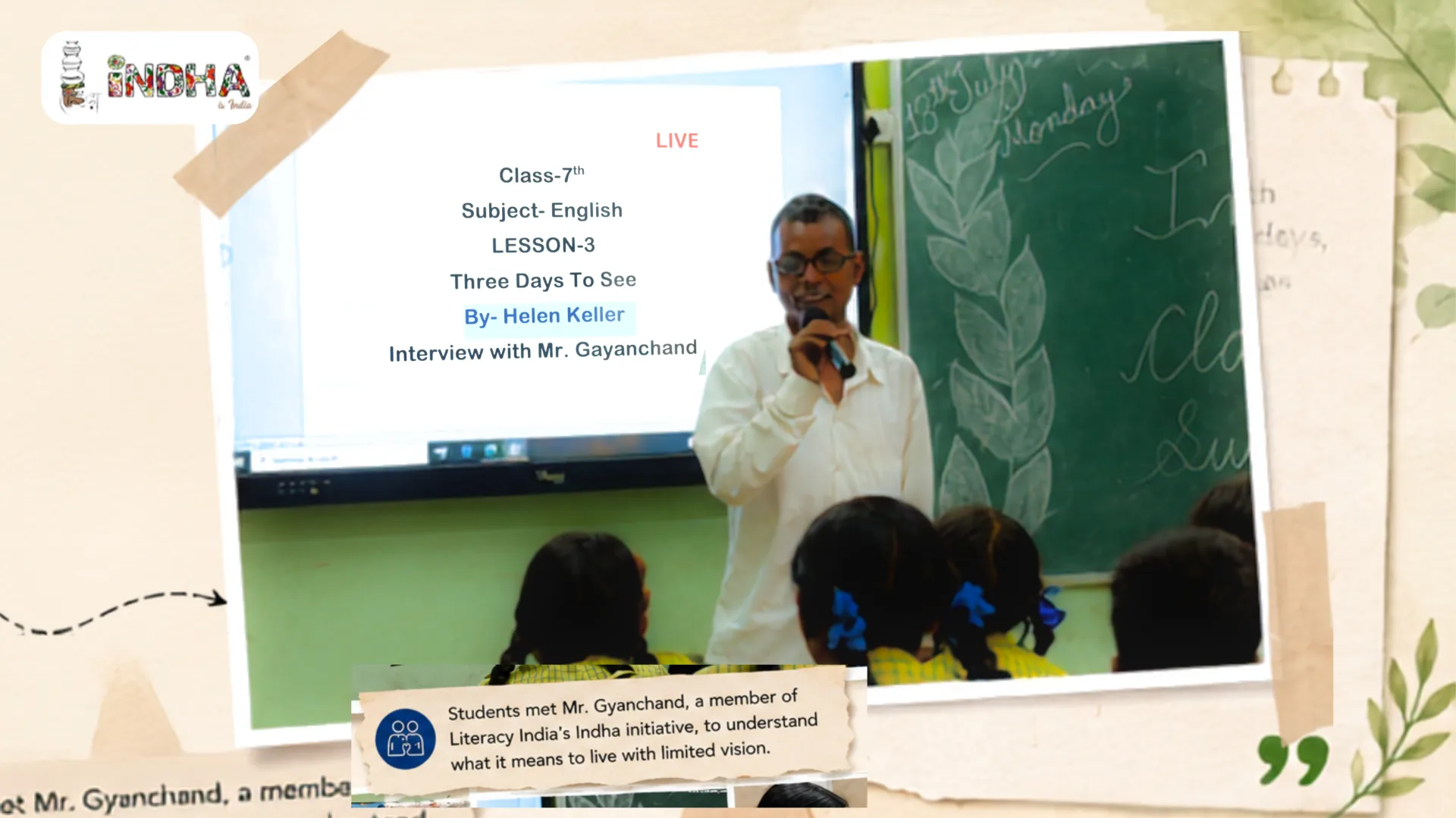
At Literacy India's school, some lessons extend far beyond the pages of a textbook.
While reading Helen Keller's Three Days to See, students explored what it means to live with limited vision. To bring the lesson to life, they met Mr. Gyanchand, a member of Literacy India's Indha initiative.
Years ago, Gyanchand came to Gurugram with his mother in search of a better future. Living with only 20% vision, life was filled with challenges. Through Indha, he was trained along with his mother as an artisan, discovered his strengths and built a life of dignity and self-reliance.Gyanchand is self-dependent and part of Indha`s Family.
As students interviewed him, they asked thoughtful questions about his journey, the challenges he had faced and what kept him motivated. Then came one question that left the room silent:
"If you were blessed with eyesight for just three days, what are the three things you would like to see?"
His answer touched every heart.
"A beautiful sunrise, the faces of my parents, and the idols of God in our temples."
In that moment, Helen Keller's words became more than a chapter—they became a lived experience.
The learning continued with a Blindfold Challenge, where students attempted simple everyday tasks without sight, helping them experience the importance of trust, teamwork and empathy. The lesson concluded with a science activity on how the human eye forms images and how the brain processes visual information, bringing together literature, science and real-life understanding.
At Literacy India, experiential learning is about more than academic knowledge. It is about helping children develop compassion, appreciate different life experiences and understand that true vision comes from seeing the world through another person's eyes.